The Joseph Epic on the Emmaus Road: 16 Ways Luke 24 Echoes Genesis 42 & 45
The Joseph Epic on the Emmaus Road: 16 Ways Luke 24 Echoes Genesis 42 & 45

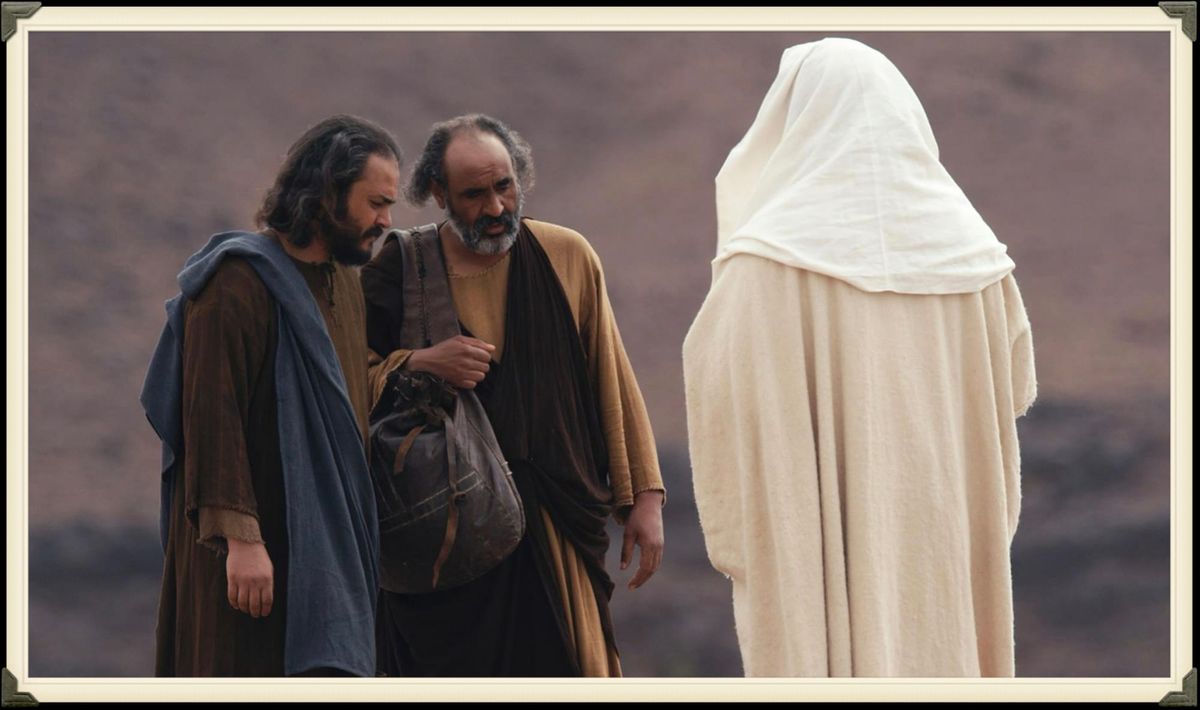
The epic of Joseph in the closing chapters of Genesis is undoubtedly one of the Messianic prophecies that Jesus unfolds for Cleopas and the anonymous disciple who are absconding from Jerusalem to the old Maccabean headquarters of Emmaus. The many intertextual echoes and parallels between Luke 24 and Genesis 42 & 45 (the Greek Septuagint translation of the Hebrew) include:
- 11 : In Genesis there are 11 brothers, and in Luke there are 11 apostles.
- Recognizing (ἐπιγινώσκω epiginōskō): Both the Egypt story (Genesis 42.8) and the Emmaus story (Luke 24.16) capture the difficulty in recognizing the messianic figure, although Joseph recognizes his brothers (Genesis 42.7,8) and the disciples eventually recognize Jesus (Luke 24.31).
- Death (θάνατος thanatos) & Alive (ζάω zaō): Both are centered around the death of the messianic figure (Genesis 42.38 — as well as usage in 42.2,20; 43.8; 44.9,20,22; 45.28 — and Luke 24.20), and the news that he’s actually alive (Genesis 45.27 — as well as usage in 43.27,28; 45.3,5,26 — and Luke 24.23).
- Both have a 3-day (τρίτος tritos) waiting period (Genesis 42.17,18 and Luke 24.21).
- Stunned (ἐξίστημι existēmi): Luke speaks about the disciples being stunned (Luke 24.22), while Genesis uses the same word that the CEB translates as Jacob’s heart nearly failing (Genesis 45.26 — not to mention the brothers being stunned in 42.28).
- Believing (πιστεύω pisteuō): Both are honest about the difficulty of trusting or believing the Good News that the messianic person is alive (Genesis 45.26 and Luke 24.25).
- Interpreter (διερμηνεύω diermēneuō): In Egypt there is an interpreter (Genesis 42.23), and en route to Emmaus the Jewish Bible needs to be interpreted (Luke 24.27).
- Bread (ἄρτος artos): When the messianic person sends Bread from Egypt to Jacob (Genesis 45.23 — with other uses at 43.16,31,32) and when bread is broken in Emmaus (Luke 24.30), then the reality of the Good News is believed.
Additional less obvious parallels include:
- Drew near (ἐγγίζω engizō) in Genesis 45.4 and Luke 24.15.
- Eyes (ὀφθαλμός ophthalmos) in Genesis 42.7 and Luke 24:16.
- Ruler (ἄρχων archōn) in Genesis 42.6 & 45.8 and Luke 24.20.
- Morning in Genesis 44.3 (διαφαυσκω diaphauskō) and Luke 24.22 (ορθρινος orthrinos).
- Angel (ἄγγελος angelos) in Genesis 45.26 (announced) and Luke 24.23.
- Remain (μένω menō) in Genesis 45.9 and Luke 24.29.
- Hearts (καρδία kardia) in Genesis 42.28 and Luke 24.32.
- Opened (διανοίγω dianoigō) in Genesis 43.21 and Luke 24.32.
Here's a dramatic reading of the texts (using the Common English Bible © 2011) in 4 stations with the following reading roles:
- narrator/lector
- church/congregation
- Jacob & Cleopas
- JESUS
The Holy Gospel of our Lord Jesus Christ according to Luke.
Glory to you, Lord Christ.
1st Station: Genesis chapter 42 (excerpts)
narrator: 8 Joseph recognized his brothers, but they didn’t recognize him. . . . 13 They said:
church: “We, your servants, are twelve brothers, sons of one man in the land of Canaan. The youngest is now with our father, but one is gone.” . . .
narrator: 17 He put them all in prison for three days. . . . 21 The brothers said to each other:
church: “We are clearly guilty for what we did to our brother when we saw his life in danger and when he begged us for mercy, but we didn’t listen. That’s why we’re in this danger now.” . . .
narrator: 23 They didn’t know that Joseph was listening to them because they were using an interpreter. . . . 29 When they got back to their father Jacob in the land of Canaan, they described to him everything that had happened to them: . . .
church: 33 “The man, the country’s governor, told us . . . 34 ‘Bring back your youngest brother to me.’ ” . . .
narrator: 38 But Jacob said:
Jacob: “My son won’t go down with you because his brother is dead.” . . .
2nd Station: Luke 24.13–21
narrator: 13 On that same day, two disciples were traveling to a village called Emmaus, about seven miles from Jerusalem. 14 They were talking to each other about everything that had happened. 15 While they were discussing these things, Jesus himself arrived and joined them on their journey. 16 They were prevented from recognizing him. 17 He said to them:
JESUS: “What are you talking about as you walk along?”
narrator: They stopped, their faces downcast. 18 The one named Cleopas replied:
Cleopas: “Are you the only visitor to Jerusalem who is unaware of the things that have taken place there over the last few days?”
JESUS: 19 “What things?”
Cleopas: “The things about Jesus of Nazareth. Because of his powerful deeds and words, he was recognized by God and all the people as a prophet. 20 But our chief priests and our leaders handed him over to be sentenced to death, and they crucified him. 21 We had hoped he was the one who would redeem Israel. All these things happened three days ago.”
3rd Station: Genesis chapter 45 (excerpts)
narrator: . . . 1 Joseph revealed his identity to his brothers. . . . 23 To his father, Joseph sent . . . donkeys carrying grain and bread, and rations for his father for the road. . . . 25 So his brothers left Egypt and returned to their father Jacob in the land of Canaan. 26 They announced to him:
church: “Joseph’s still alive! He’s actually ruler of all the land of Egypt!”
narrator: Jacob’s heart nearly failed, and he didn’t believe them. 27 When they told him everything Joseph had said to them, and when he saw the wagons Joseph had sent to carry him, Jacob recovered.
4th Station: Luke 24.22–35
Cleopas: 22 “But there’s more: Some women from our group have left us stunned. They went to the tomb early this morning 23 and didn’t find his body. They came to us saying that they had even seen a vision of angels who told them he is alive. 24 Some of those who were with us went to the tomb and found things just as the women said. They didn’t see him.”
narrator: 25 Then Jesus said to them:
JESUS: “You foolish people! Your dull minds keep you from believing all that the prophets talked about. 26 Wasn’t it necessary for the Christ to suffer these things and then enter into his glory?”
narrator: 27 Then he interpreted for them the things written about himself in all the scriptures, starting with Moses and going through all the Prophets. 28 When they came to Emmaus, he acted as if he was going on ahead. 29 But they urged him, saying:
church: “Stay with us. It’s nearly evening, and the day is almost over.”
narrator: So he went in to stay with them. 30 After he took his seat at the table with them, he took the bread, blessed and broke it, and gave it to them. 31 Their eyes were opened and they recognized him, but he disappeared from their sight. 32 They said to each other:
church: “Weren’t our hearts on fire when he spoke to us along the road and when he explained the scriptures for us?”
narrator: 33 They got up right then and returned to Jerusalem. They found the eleven and their companions gathered together. 34 They were saying to each other:
church: “The Lord really has risen! He appeared to Simon!”
narrator: 35 Then the two disciples described what had happened along the road and how Jesus was made known to them as he broke the bread.
The Gospel of the Lord.
Praise to you, Lord Christ.